Business simulation: an overview of how it works
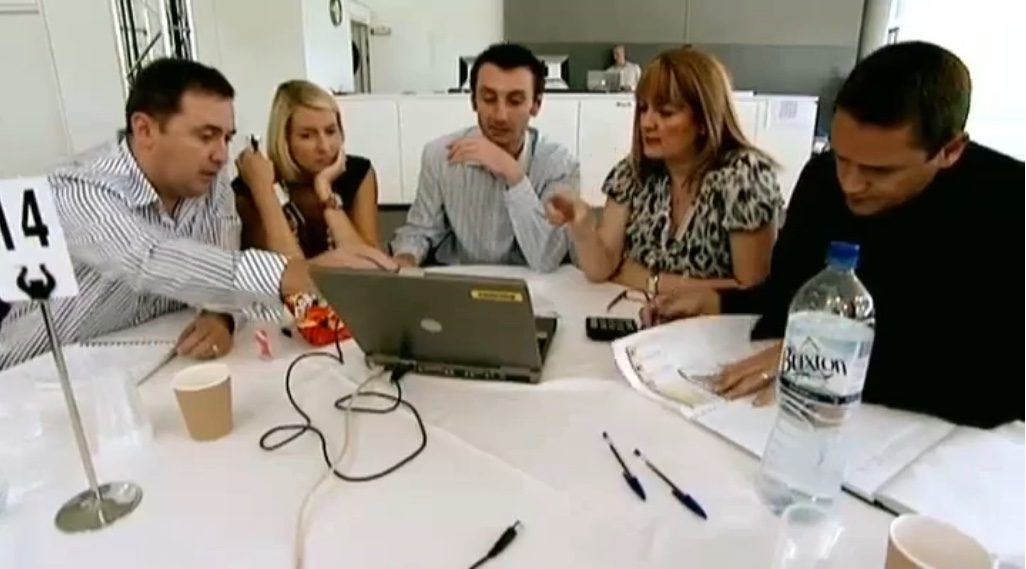
To truly understand a business simulation, one must look at it as a dynamic engine that processes player decisions against a pre-defined market model. It is where data meets strategy.
The Decision Cycle
Participants are presented with a business scenario. They must analyze reports, collaborate with their team, and input decisions that affect the next "financial period" of the game.
Instant Feedback Loop
Unlike real-world business where results take months, a simulation provides immediate data, allowing players to see the consequences of their actions and adjust their strategy instantly.
The technology behind the simulation creates a realistic competitive landscape. Players aren't just playing against a computer; they are often competing against other teams, meaning the market is constantly shifting based on everyone's choices.
A Multi-Channel Experience
Simulations are delivered via a cloud-based platform, making them accessible for remote teams or in-person workshops. The facilitator guides the experience, drawing out learning points from the data-driven results to ensure the academic or corporate objectives are met.
The power of a simulation lies in its ability to condense years of business experience into a matter of hours or days.
By the end of the session, participants have a much deeper understanding of the interdependencies between departments—Sales, Finance, Marketing, and Operations—and how a single decision can ripple through the entire organization.
Explore the Tech
Curious about the engine behind the experience? Contact us for a deeper dive into our simulation architecture.
Book a Demo